Moving your data out of the cloud should be part of your buying decision, not an afterthought. Before you sign, look at what you’ll be able to take with you, what leaving will cost, and how long you’ll pay for two systems at once.
When leadership looks at the IT budget, the conversation often begins with one question: “Where can we spend less?” But there’s another question worth asking: “Where would spending more, or spending differently, make the business more stable?” That’s where strategic IT spending comes in – and why it plays such a big role in long-term business stability.
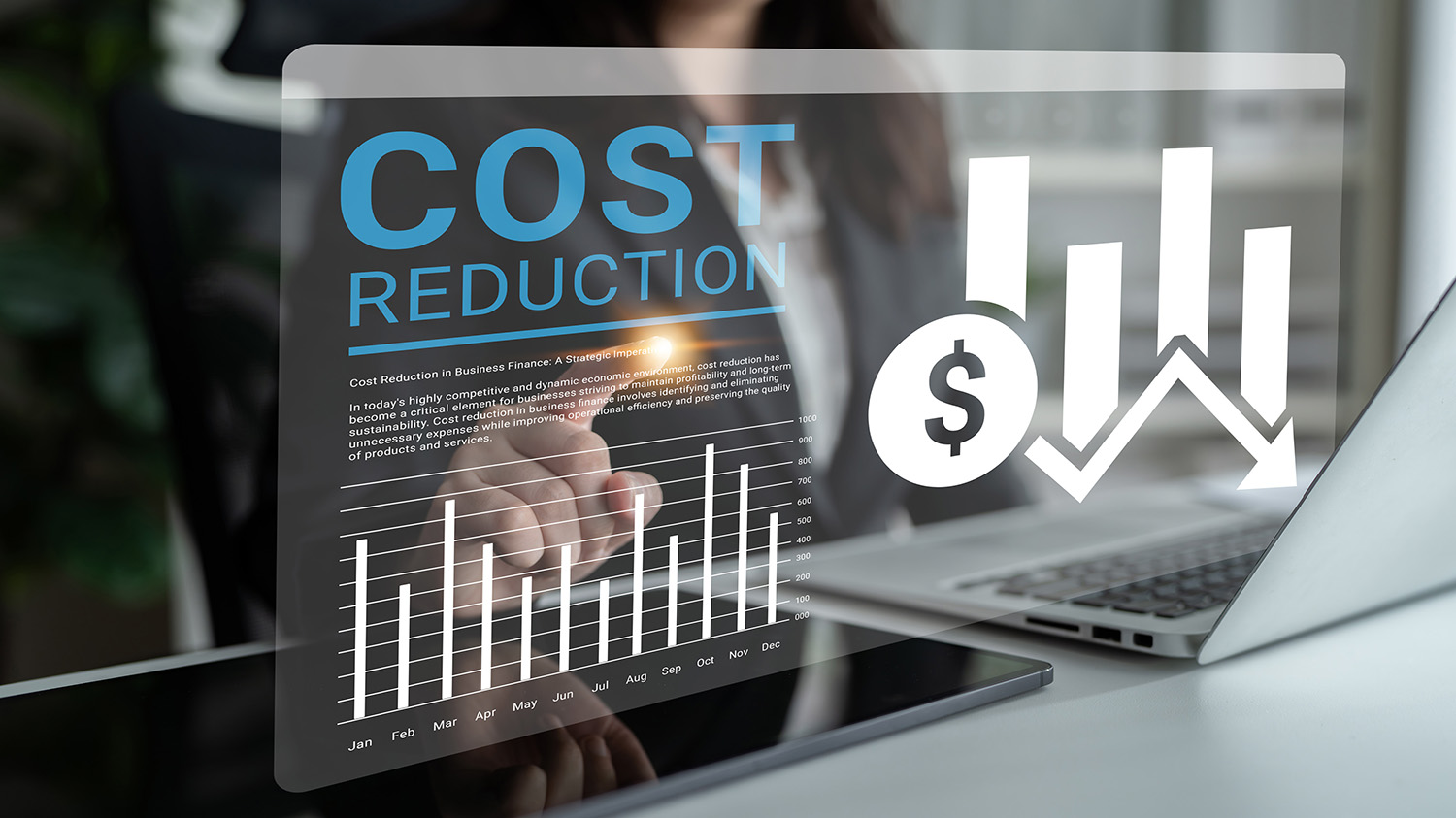
Cutting IT costs seems like the most natural thing for leadership teams to do come budget review season. However, IT cost-cutting risks are often overlooked. A security tool feels too expensive? A backup service isn’t being used enough? Monitoring doesn’t seem necessary because ‘nothing’s happening anyway’? Perfect.
When it comes to cutting costs, most Loveland, OH, business leaders immediately turn their attention to technology. For some reason, trimming software licenses, delaying hardware upgrades, or reducing IT support seems like the easiest way to improve the bottom line and achieve better IT budget efficiency.
Microsoft Bookings lets clients book appointments without contacting you first, but that convenience doesn’t always produce a schedule that works for you. Without the right restrictions, clients can book with too little notice, cancel shortly before a session, or choose times that leave no room between meetings.