
Microsoft 365 is one of the most widely used business productivity suites today. From email and collaboration to cloud storage and enterprise content management, the robust features of its cloud-based tools and servers are nothing short of useful. Still, Microsoft 365 presents certain security challenges that businesses must address.
Keep your Microsoft 365 environment secure with these tips
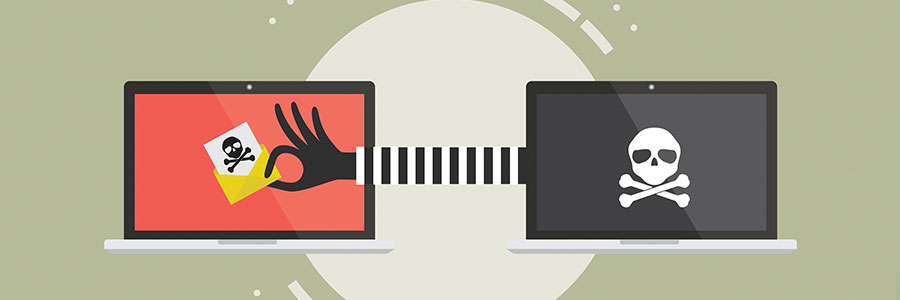
Keep ransomware out of your Android device with these tips

More and more organizations are using mobile devices to conduct various business processes, from staying in touch with customers and partners to performing financial transactions. This fact is not lost on cybercriminals — they’re launching ransomware to get into Android devices and hold the data on these devices hostage in exchange for large sums of money.
How to choose the safest web browser

The internet is a Wild West of sorts. One can never know what kind of cyberthreat they’ll come across. This is why businesses should use secure web browsers to keep threats at bay. But how safe are the popular browsers of today? Let’s find out.
Microsoft Edge
Microsoft Edge, Windows 10’s current default browser, is an improvement over its predecessor Internet Explorer (IE). Edge is based on the open source Chromium browser, resulting in a powerful and efficient browser that supports Progressive Web Apps and Google Chrome extensions.
5 Best practices for securing PHI

Protected health information (PHI) includes personal, medical, and financial information, as well as other data created or used when a patient sought and received healthcare services. Due to the sensitive nature of PHI, it is highly valuable to hackers — and this is why your healthcare organization must do everything possible to protect any PHI data it handles.
How to prevent healthcare data breaches

Cloud-based healthcare systems have vastly improved medical services. Digitization has allowed hospitals and clinics to provide better patient care and greater accessibility to information. However, it has also increased the risk of personal health information (PHI) cybertheft.
What HTTPS means for cybersecurity
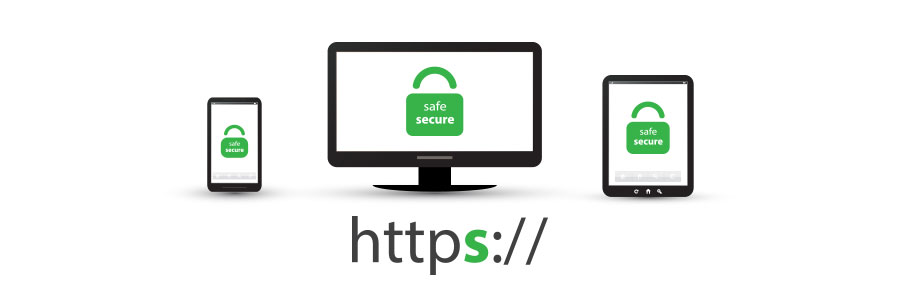
As people’s reliance on the internet deepened through the years, cybercriminals also began to move more stealthily. Online shoppers, for instance, can be led to a payment page that has no HTTPS in its URL. If they enter their personal details on this page, they will be a prime target for identity theft without them knowing.
How to avoid issues caused by Windows 10’s April update

One of the most consistent issues with Windows 10 has been how updates are rolled out to users. Usually, the biggest problem is that updates slow computers’ performance to a crawl. Sometimes they cause computers to crash. But this time, updates are causing files to disappear.
Windows 10 security can be bypassed by Snatch malware

If your business is running on a Windows 10 operating system (OS), you should be careful of Snatch, a new strain of ransomware that can easily bypass its security protocols. Discovered by a research team in Sophos, this malware can slip through Windows 10’s security software by rebooting your computer in Safe Mode and disabling security programs from starting.
What hyperconverged infrastructure can do for SMBs

Thorough IT infrastructure builds tend to be cost-prohibitive and consequently, difficult to justify for many businesses. Hyperconvergence is a great alternative to traditional IT builds, both in terms of cost and robustness.
What are hyperconverged infrastructures?
In a traditional IT environment, networking, server, and storage hardware need to be purchased separately and configured to work together as a cohesive system.
Security tips for Macs and other Apple devices
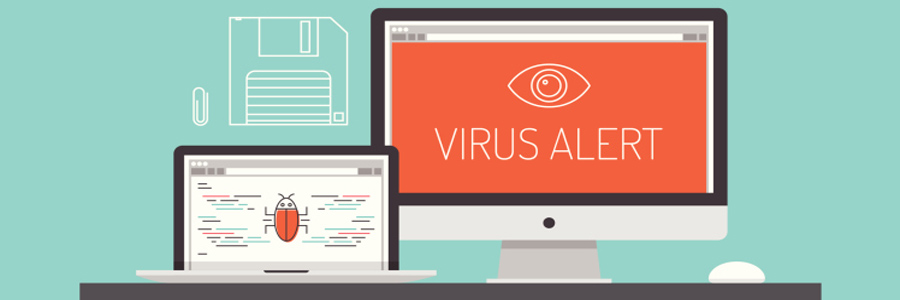
Many Apple users believe that their Macs and iPhones are invulnerable to security threats, but this just puts them at risk of falling prey to hackers. Macs, iPhones, and other Apple devices are not unhackable, and the only way to truly protect all your devices is to observe safe practices.