
It looks like an ordinary email. Yet it could become the most expensive click your business makes all year. A phishing attack usually starts as a nondescript email from someone you would never suspect. It could be a supplier, a trusted service provider, or even a co-worker from the next cubicle.
Why Is Employee Phishing Vulnerability So Easy for Attackers to Exploit?

How Can Human Cybersecurity Risks Put Your Business at Risk?
Cybersecurity software isn’t cheap, but it’s necessary. As a business owner, you’d willingly fork over a considerable amount of your budget for it, just to keep your business safe. Then, out of the blue, a single employee unknowingly hands the keys to your business to an attacker, just like that.
When Is Technology Upgrade Planning Critical for Growing Businesses?

Technology upgrade planning usually starts long before systems actually fail. After all, growth doesn’t break your systems overnight. It’s much more gradual than that.
One day, you’ll just notice things seem to be taking a little longer.
Why Is an IT Risk Assessment Critical Before Technology Investments?
An IT risk assessment often starts after something breaks. You know the moment: work stops, customers are waiting, and everyone starts asking, “How did we miss this?”
It may look like a technology problem, but the real issue usually started earlier.
How Does IT Investment Prioritization Reduce Risk for Businesses?

Budget season rarely starts with a strategy discussion. It starts with a list. Someone mentions new tools that promise efficiency. Some bring up old systems that “should probably be upgraded.” Someone then pipes in about security concerns.
Why Is Cyber Incident Documentation Critical for Insurance Claims?

Cyber incident documentation is the process of recording what happened during a cyberattack, how it was handled, and what controls were in place. Sounds boring, doesn’t it? That’s probably why many businesses in Loveland, OH, don’t spend much time thinking about it.
What Cyber Insurance Security Requirements Do Businesses Often Miss?
Cyber insurance comes with quite a few strings attached. Before paying a claim, insurers expect businesses to have certain security measures in place and keep them working over time. MFA, endpoint protection, secure backups, and active monitoring…these are now common policy security requirements, not optional add-ons.
Why Do Cyber Insurance Claim Denials Happen After a Breach?
There’s a simple reason why businesses in Loveland, OH, get cyber insurance in the first place: protection. If a serious cyber incident happens, the insurance policy will help cover the financial damage. It serves as your organization’s safety net.
What Incident Response Roles Should Businesses Define Before Vacations?
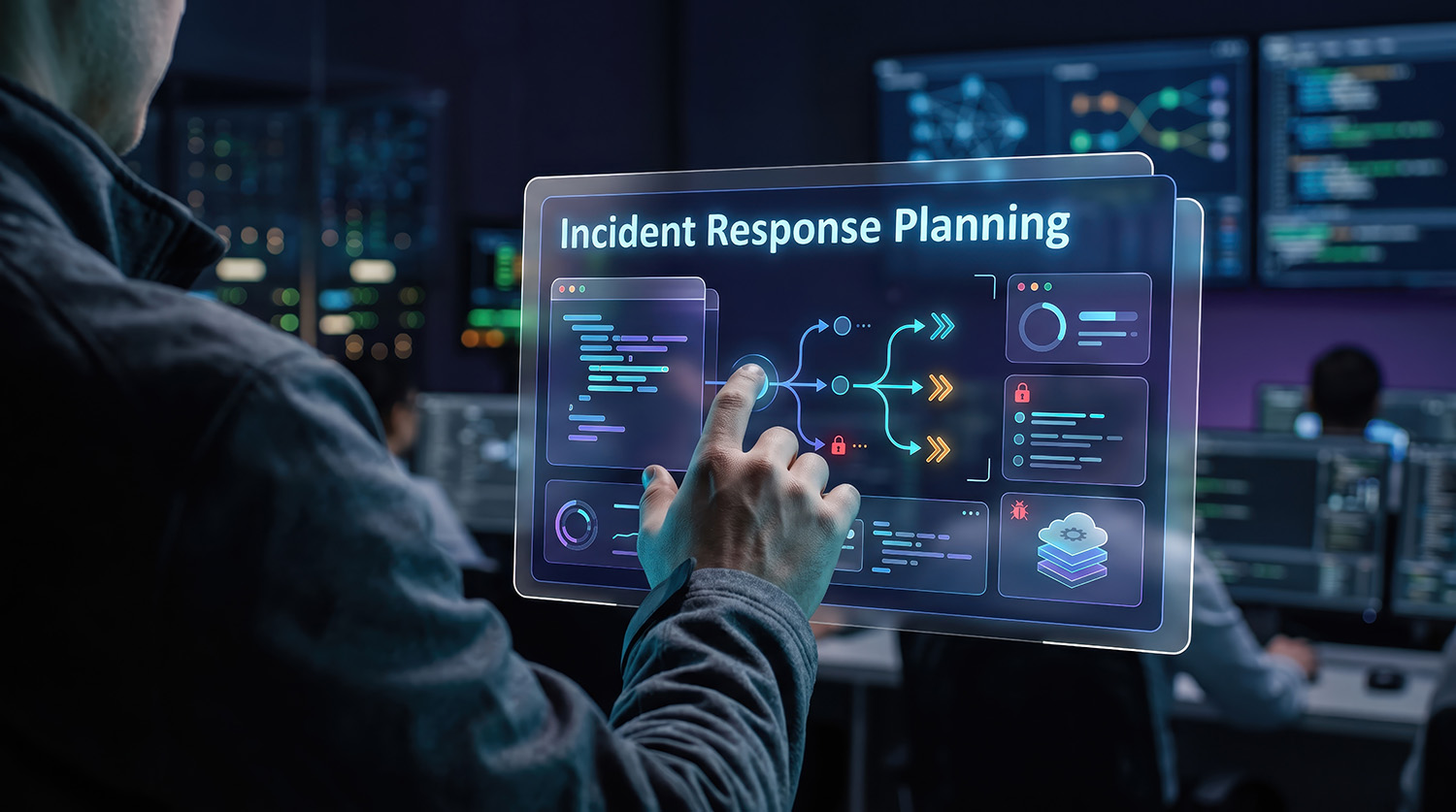
It’s 10:47 p.m. on a Saturday. Your finance manager is on a beach with limited signal. The IT lead is at a family event. Your operations director has their phone on silent. Somewhere inside your network, suspicious activity has just triggered an alert.
Why Is Cybersecurity Monitoring Critical During Summer Vacations?

Cybersecurity monitoring matters year-round. But during summer vacations, even small gaps in coverage can quietly turn into serious operational risks. The reason is pretty simple: when fewer people are around, it can take longer to notice and respond to suspicious activity.